
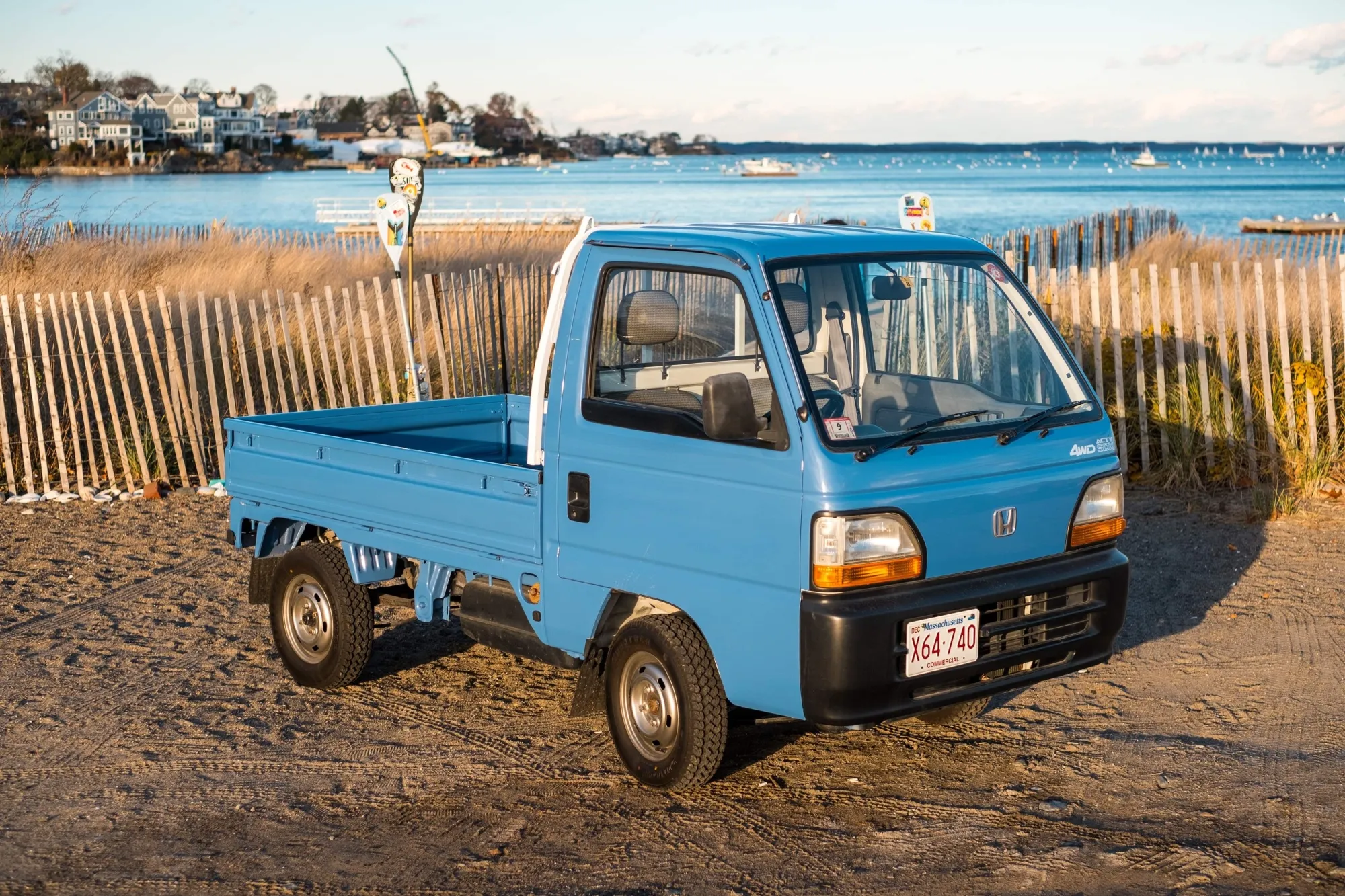
Tiny Trucks, Huge Impact: The Kei Revolution
Introduction
Ever seen a vehicle so small it made you chuckle, yet so practical it made you think? Meet the Kei truck, Japan’s answer to efficient, affordable transportation, and a surprisingly potent force shaking up industries worldwide. These miniature marvels aren’t just cute; they’re a testament to innovation born out of necessity, and their impact is far bigger than their diminutive size suggests.
The Little Truck That Could: A Brief History
Born in post-World War II Japan, the Kei truck (Kei is Japanese for “lightweight”) emerged from a need for affordable transportation. The government encouraged their development through tax breaks and relaxed regulations, fostering a culture of innovation focused on maximizing utility within strict size and engine constraints. Think of it as the ultimate game of Tetris, but with vehicle design. The result? A generation of mini-trucks that proved incredibly adaptable and efficient, quickly becoming a staple in agriculture, construction, and small businesses.
The Kei-mpact: Short-Term Wins, Long-Term Gains
So, why should you care about a tiny truck from Japan? Because the Kei revolution is about more than just vehicles; it’s about rethinking transportation and resource management. Let’s dive into the immediate and lasting benefits:
Short-Term Impact: Pocket-Sized Powerhouses
- Cost-Effectiveness: Kei trucks are significantly cheaper to buy and maintain than their larger counterparts. This makes them incredibly accessible to small businesses, farmers, and individuals on a budget.
- Fuel Efficiency: Their small engines sip fuel, making them a dream for environmentally conscious consumers and businesses looking to cut operating costs. Imagine the savings over the lifespan of a vehicle!
- Maneuverability: Navigate tight city streets or narrow farm paths with ease. Kei trucks can squeeze into places larger vehicles can only dream of. This is a game-changer in congested areas.
- Versatility: From hauling gardening supplies to delivering packages, Kei trucks are surprisingly versatile. Many models offer 4WD, making them capable even in challenging terrains.
Long-Term Impact: A Sustainable Future
- Reduced Emissions: Smaller engines mean lower emissions, contributing to cleaner air and a reduced carbon footprint. As cities grapple with air quality issues, Kei trucks offer a viable solution.
- Resource Conservation: Building smaller vehicles requires fewer resources, promoting sustainable manufacturing practices. This aligns with the growing global focus on resource efficiency.
- Economic Empowerment: By providing affordable transportation, Kei trucks empower small businesses and entrepreneurs, particularly in developing countries. They create opportunities for growth and economic development.
- Innovation Catalyst: The success of Kei trucks challenges conventional automotive design, encouraging manufacturers to explore smaller, more efficient vehicle options. This can lead to breakthroughs in electric vehicle technology and alternative fuel solutions.
The Challenges: Navigating the Road Ahead
Of course, the Kei revolution isn’t without its bumps. The biggest hurdle is regulation. In many countries, Kei trucks face import restrictions or are not street-legal due to safety standards or emissions requirements. Additionally, parts availability and maintenance can be a challenge in areas where Kei trucks are not widely adopted.
Gear Up for Change: Practical Solutions
The good news is that overcoming these challenges is rtptitanslot88.me within reach. Here’s how we can accelerate the Kei revolution:
- Advocate for Regulatory Reform:
- Educate policymakers: Showcase the benefits of Kei trucks, emphasizing their fuel efficiency, affordability, and versatility. Provide data on their safety record and environmental impact.
- Promote standardized regulations: Work towards harmonizing import regulations and safety standards to facilitate the legal use of Kei trucks across different regions.
- Incentivize adoption: Offer tax breaks or subsidies for businesses and individuals who switch to Kei trucks, encouraging a wider adoption.
Case Study: In some US states, relaxed regulations have allowed for increased Kei truck imports, leading to a surge in their popularity among farmers and small businesses.
- Develop Local Supply Chains:
- Encourage local manufacturing: Attract Kei truck manufacturers to establish production facilities in new markets, creating jobs and boosting local economies.
- Invest in parts distribution networks: Ensure that spare parts and maintenance services are readily available to support Kei truck owners.
- Train mechanics: Provide training programs for mechanics to specialize in Kei truck maintenance and repair.
Example: Several companies are now offering conversion kits and modifications for Kei trucks, adapting them to meet local safety standards and customer needs.
- Promote Awareness and Education:
- Highlight success stories: Share examples of how Kei trucks have transformed businesses and communities, showcasing their potential to inspire others.
- Organize test drive events: Allow potential customers to experience the benefits of Kei trucks firsthand, dispelling any misconceptions about their size or performance.
- Leverage online platforms: Create online communities and forums where Kei truck owners can share tips, advice, and resources.
Think: Online reviews and social media campaigns can play a crucial role in raising awareness and building a positive image for Kei trucks.
Alternative Routes: A Spectrum of Solutions
The beauty of the Kei revolution lies in its adaptability. Here are some alternative approaches to consider:
- Electric Kei Trucks: Combine the efficiency of Kei trucks with the environmental benefits of electric vehicles. Several manufacturers are already developing electric Kei truck models, offering a zero-emission transportation solution.
- Modular Kei Trucks: Design Kei trucks with interchangeable components, allowing users to customize them for specific tasks. This would further enhance their versatility and appeal.
- Subscription-Based Services: Offer Kei trucks on a subscription basis, providing access to affordable transportation without the burden of ownership. This could be particularly attractive to small businesses and individuals with short-term needs.
Conclusion: Driving Towards a Brighter Future
The Kei revolution is more than just a trend; it’s a movement towards sustainable, efficient, and affordable transportation. By embracing these tiny trucks and advocating for supportive policies, we can unlock their immense potential to transform industries, empower communities, and create a brighter future for all. The road ahead may have its challenges, but with a little ingenuity and a lot of enthusiasm, we can steer towards a world where small vehicles make a big impact. So, get ready to buckle up and join the Kei revolution – the journey is just beginning!