
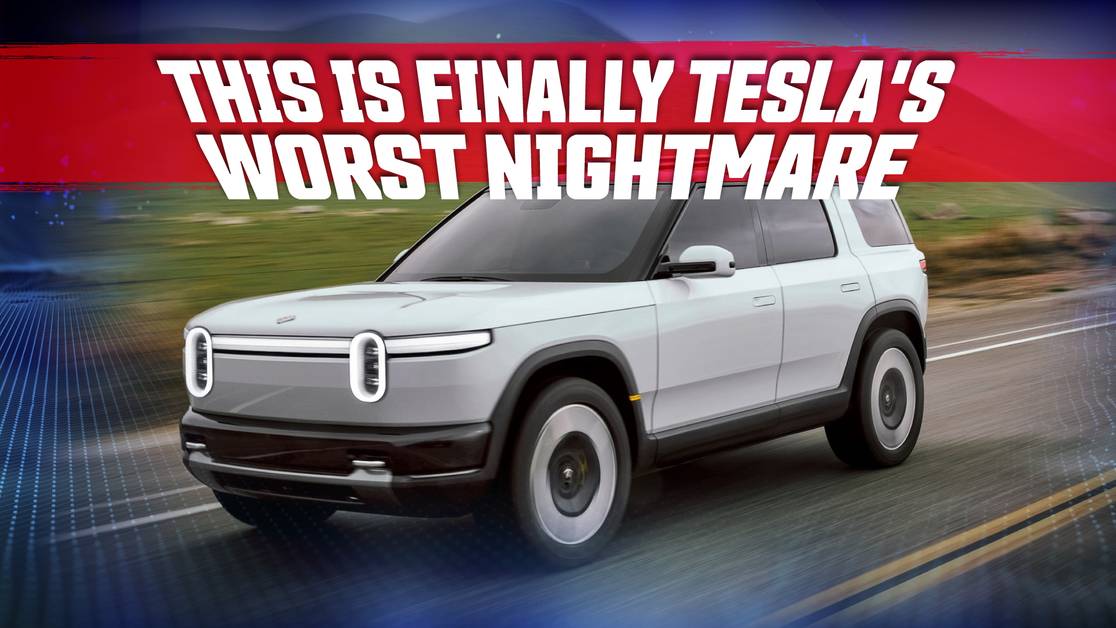
Rivian R2: Tesla’s Nightmare?
Introduction
For years, Tesla has reigned supreme in the electric vehicle (EV) kingdom. Their name is synonymous with innovation, performance, and, let’s be honest, a certain cool factor. But the automotive landscape is rapidly evolving, and a new contender is stepping into the ring, ready to throw some serious punches: the Rivian R2.
The Rivian R1T pickup truck and R1S SUV have already turned heads with their rugged design, impressive off-road capabilities, and a commitment to sustainability. However, their hefty price tags placed them firmly in the luxury EV segment. The R2, slated to be a smaller, more affordable offering, aims to disrupt the mainstream EV market, potentially giving Tesla a serious run for its money. But is it really a “nightmare” scenario for Elon Musk’s empire? Let’s dive in and explore the short-term tremors and the potential long-term earthquake the R2 could unleash.
The Immediate Jolt: Filling the Gap in the Market
Tesla’s dominance is built on a foundation of early adoption and groundbreaking technology. However, their current lineup has some notable gaps. While the Model 3 and Model Y offer relatively affordable entry points, they lack the adventurous spirit and rugged aesthetic that appeals to a growing segment of consumers. This is where the R2 steps in, poised to capitalize on the craving for a capable and stylish electric SUV that doesn’t break the bank.
Think of it like this: Imagine you’re a Tesla fan but yearn for something more… outdoorsy. You might have considered the Cybertruck (if it ever truly arrives!), but its polarizing design and uncertain timeline might leave you wanting. The R2, with its promise of Rivian’s signature design language in a more accessible package, suddenly becomes a very attractive alternative.
Furthermore, the R2 is expected to incorporate advanced technology, likely building upon the already impressive features of the R1 platform. Rivian’s commitment to over-the-air updates and a seamless user experience adds another layer of appeal. In the short term, this translates to a potential migration of Tesla reservation holders and a significant dent in Tesla’s market share within the burgeoning electric SUV segment.
The Long Game: Shifting the EV Landscape
The real threat to Tesla lies not just in immediate sales figures, but in the long-term shift the R2 could trigger in the entire EV ecosystem. Here’s how:
- Increased Competition and Innovation: Tesla has enjoyed a period of relatively limited competition, allowing them to dictate pricing and features. The R2’s arrival forces Tesla to react, pushing them to accelerate innovation, improve battery technology, and potentially adjust pricing strategies. This is ultimately beneficial for consumers, as it leads to better EVs at more competitive prices.
- Example: Look at how the introduction of the Hyundai Ioniq 5 and Kia EV6 has prompted Tesla to offer more competitive lease deals and enhance features on the Model 3 and Model Y.
- Expanding the EV Demographic: The R2, with its more approachable pricing and design, has the potential to attract a broader demographic to the EV market. This isn’t just about stealing Tesla’s customers; it’s about converting drivers who were previously hesitant about EVs altogether. A larger overall EV market benefits everyone, including Tesla.
- Beyond the Car: Building an Ecosystem: Rivian isn’t just building cars; they’re building an entire ecosystem focused on adventure and sustainable living. Their Adventure Network charging infrastructure, integrated camping gear, and commitment to responsible manufacturing resonate with a growing segment of consumers who prioritize more than just horsepower and range. This holistic approach could prove to be a significant differentiator, attracting customers who value a brand aligned with their personal values.
The Road Ahead: Rivian’s Challenges and Potential Solutions
Of course, the road to becoming Tesla’s “nightmare” isn’t paved in gold. Rivian faces its own set of challenges:
- Production Ramp-Up: Scaling production is notoriously difficult in the automotive industry. Rivian has already faced challenges in ramping up production of the R1T and R1S. Successfully delivering the R2 at scale will be crucial for its long-term success.
- Solution: Implement lean manufacturing principles, invest heavily in automation, and forge strategic partnerships with established suppliers. Focus on streamlining the production process and optimizing supply chain logistics.
- Building Brand Awareness: While Rivian has garnered significant attention, Tesla still holds a massive advantage in brand recognition.
- Solution: Continue to leverage social media and engaging content to build brand awareness. Invest in targeted marketing campaigns that highlight the R2’s unique features and benefits. Partner with outdoor recreation companies and influencers to reach a wider audience.
- Maintaining Quality Control: With increased production, maintaining consistently high-quality standards is paramount. Any significant quality issues could severely damage Rivian’s reputation.
- Solution: Implement rigorous quality control checks at every stage of the production process. Invest in advanced testing equipment and hire skilled quality control personnel. Prioritize customer feedback and address any issues promptly and effectively.
Alternative Approaches: A Multi-Pronged Strategy
While solving the challenges above are paramount, Rivian could also explore these alternative solutions to further strengthen their position:
- Focus on Niche Markets: Target specific demographics or regions with tailored marketing campaigns and product offerings. For example, they could partner with national park services to offer special edition R2s optimized for off-road adventures.
- Subscription Services: Offer subscription-based access to features like advanced driver-assistance systems or over-the-air software updates. This provides a recurring revenue stream and allows customers to customize their R2 experience.
- Strategic Partnerships: Collaborate with other companies to expand their reach and capabilities. Partnering with a battery manufacturer could secure a stable supply of high-quality batteries, while partnering with a charging network could enhance the charging experience for R2 owners.
Conclusion: The Future is Electric, and It’s Getting Interesting
Whether the Rivian R2 becomes Tesla’s ultimate “nightmare” remains to be seen. But one thing is clear: it’s shaking up the EV market and forcing Tesla to innovate and adapt. The R2 isn’t just another electric car; it represents a shift towards a more adventurous, sustainable, and accessible future of electric mobility.
The EV landscape is no longer a one-horse race. This increased competition is good for consumers, driving innovation and affordability. So, buckle up, because the electric revolution is just getting started, and the Rivian R2 is ready to lead the charge. It’s a thrilling time to be a part of the automotive world, and the future is looking electrifyingly bright. Now is the time to consider what you want from your next vehicle, and to research the options available to you. The R2 may be the perfect fit, or it may inspire you to explore other exciting EVs on the horizon.