
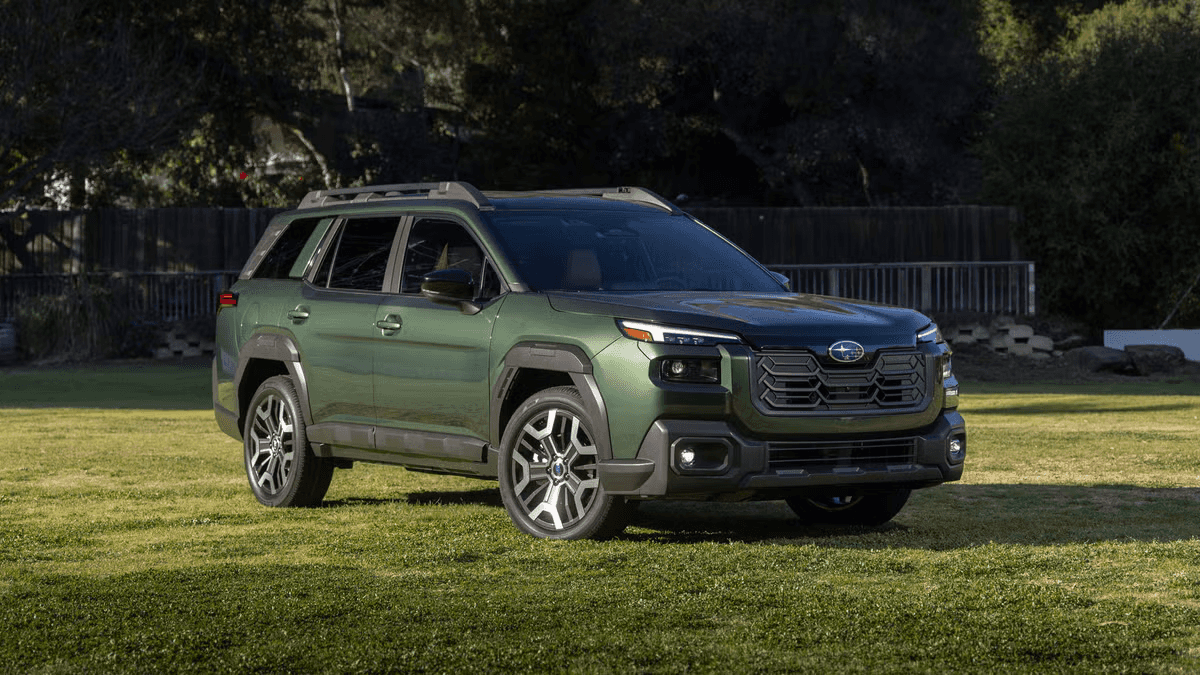
2026 Subaru Outback: Reimagined Rugged.
Introduction
Okay, let’s be honest. When you think “Outback,” you probably picture a trusty steed, covered in mud, happily parked at the trailhead while you conquer some epic mountain vista. And you’re not wrong. The Subaru Outback has cemented its place as the go-to adventurer’s wagon. But what if “rugged” could be more than just off-road capability? What if it could encompass smart technology, eco-conscious design, and a redefined sense of personal comfort? Buckle up, because the 2026 Subaru Outback is ready to show you just that.
For years, the Outback has enjoyed a loyal following, and for good reason. It’s reliable, capable, and surprisingly practical. But in a rapidly evolving automotive landscape, resting on laurels simply isn’t an option. The challenge? Keeping the core DNA of the Outback – that adventurous spirit and unwavering reliability – while injecting it with a dose of forward-thinking innovation. Subaru needs to stay ahead of the curve to maintain its market share against competitors who are also ramping up their offerings in the adventure and SUV segments.
Explanation of the Problem
The Crossroads: Evolution or Stagnation?
The problem is multi-faceted. On the one hand, loyal Outback enthusiasts appreciate the car’s dependability and rugged charm. Messing with the formula too much could alienate this core audience. On the other hand, younger buyers, increasingly drawn to electric and hybrid options, connected technology, and sustainable practices, might find the current Outback a bit… dated.
The Short-Term Squeeze: Competitors are breathing down Subaru’s neck. Brands like Toyota with their RAV4 Adventure and Honda with their CR-V Hybrid offer similar capabilities with modern tech integrations. If Subaru doesn’t adapt, they risk losing valuable market share in the short term. We’re talking potentially lower sales figures, a diminished brand image, and the perception of being out of touch with current automotive trends.
The Long-Term Threat: Stagnation breeds obsolescence. In the long run, failing to innovate could lead to the Outback losing its relevance altogether. Imagine a future where electric SUVs dominate the market, and the Outback, still clinging to its traditional combustion engine, becomes a niche vehicle for a dwindling segment of drivers. The long-term impact is a weakened brand identity, potentially impacting the sales of other Subaru models, and ultimately, a loss of competitiveness in the broader automotive market.
Solutions
The Path Forward: Rugged Reimagined
So, how does Subaru navigate this tricky terrain and deliver a 2026 Outback that honors its heritage while embracing the future? Here are a few practical solutions, aiming to redefine “rugged” for a new generation:
1. Embracing Electrification (Finally!): This isn’t just about slapping a hybrid badge on the back. The 2026 Outback needs a compelling hybrid powertrain, offering a significant boost in fuel efficiency without sacrificing that signature Subaru performance. A plug-in hybrid (PHEV) option would be even better, allowing for a decent amount of electric-only range for daily commutes while retaining the gas engine for longer adventures.
- Example: Look at the Jeep Wrangler 4xe. It proves that off-road capability and hybrid technology can coexist beautifully. A similar approach for the Outback, focusing on enhancing low-end torque for improved off-road performance with the electric motor, would be a huge win.
2. Tech That Elevates, Not Overwhelms: Let’s face it, the Outback’s current infotainment system is… functional. The 2026 model needs a significant upgrade. Think a larger, more intuitive touchscreen, seamless smartphone integration (wireless Apple CarPlay and Android Auto are a must!), and advanced driver-assistance systems (ADAS) that are actually helpful, not intrusive. But it’s not just about the size of the screen; it’s about the user experience.
- Alternative: Consider a minimalist design philosophy, similar to what Tesla has done (though perhaps with a few more physical buttons!). A clean, uncluttered interface that prioritizes essential information and allows for easy access to key features would be a major improvement.
- Case Study: Volvo’s infotainment systems are known for their intuitive design and integration with Google services. Subaru could learn a lot from Volvo’s approach, focusing on creating a user-friendly and seamlessly connected experience.
3. Sustainable Ruggedness: Eco-Conscious Materials and Design: “Rugged” doesn’t have to mean resource-intensive. The 2026 Outback should incorporate more sustainable materials in its construction and interior. Think recycled plastics, responsibly sourced leather alternatives, and a focus on minimizing waste during manufacturing.
- Practical Application: Partner with sustainable material suppliers and highlight these eco-friendly choices in the marketing materials. This resonates with environmentally conscious consumers and positions the Outback as a responsible choice.
- Alternative: Explore innovative materials like mycelium-based composites or bio-based plastics. While these options might be more expensive initially, they offer a significant reduction in environmental impact and can be a strong differentiator in the market.
4. Enhanced Capability, Refined Comfort: While the Outback is already a capable off-roader, there’s always room for improvement. A slightly increased ground clearance, a more sophisticated all-wheel-drive system with enhanced traction control, and even optional skid plates would further solidify its adventurous credentials. But just as important is the interior comfort. Improved sound insulation, more supportive seats, and premium materials can elevate the overall driving experience, making the Outback a more enjoyable vehicle for both daily commutes and weekend adventures.
- Example: The Land Rover Defender offers a fantastic blend of off-road prowess and on-road comfort. While the Outback doesn’t need to be quite as extreme as the Defender, it can certainly take cues from its approach to balancing capability and refinement.
5. Bold Design Evolution, Not Revolution: The Outback’s design is iconic. The 2026 model shouldn’t stray too far from the established formula, but it can certainly benefit from some modern updates. Sharper lines, a more aggressive front fascia, and updated lighting elements can give the Outback a more contemporary and dynamic look without sacrificing its recognizable silhouette.
- Alternative: Offer a “rugged” trim level with unique exterior styling cues, such as a beefier front bumper, integrated roof rack, and distinctive wheel designs. This allows for a more adventurous aesthetic without alienating buyers who prefer a more refined look.
Conclusion
The 2026 Subaru Outback has the potential to be more than just another SUV. It can be a symbol of reimagined ruggedness – a vehicle that embraces technological advancements, prioritizes sustainability, and delivers an unparalleled driving experience.
The path forward requires a willingness to embrace change, to innovate without sacrificing the core values that have made the Outback a beloved vehicle for so many years. By focusing on electrification, intuitive technology, sustainable practices, and a balanced blend of capability and comfort, Subaru can ensure that the Outback remains a relevant and compelling choice for adventurers of all kinds.
This isn’t just about building a better car; it’s about building a better future. A future where adventure and responsibility go hand in hand. The 2026 Subaru Outback has the opportunity to lead the way. So, let’s get out there and make it happen. The trail awaits.