
TOLL ROAD TEXT SCAM: HIGHWAY ROBBERY 2.0
Introduction
Ever get that nagging feeling that you’re being watched? In the digital age, that feeling is becoming less paranoia and more cold, hard reality. And the latest twist in this unsettling saga? The toll road text scam. It’s not some futuristic sci-fi scenario; it’s happening right now, and it’s impacting thousands, potentially even you.
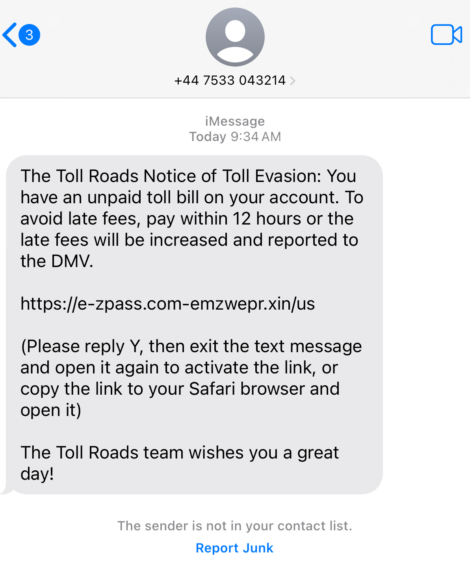
Imagine this: you’re driving back from a weekend getaway, maybe a bit preoccupied, and then *ping* – a text message pops up. “Unpaid toll amount: $12.75. Pay now to avoid late fees: [suspicious link].” Sounds legitimate, right? After all, who hasn’t accidentally missed a toll booth at some point? That’s precisely what makes this scam so insidious. It preys on our everyday anxieties and leverages the trust we often place in official-looking communications.
This isn’t just about losing a few dollars; it’s about a much bigger threat lurking beneath the surface.
Explanation of the Problem
The Short-Term Pain: More Than Just Lost Cash
The immediate sting of this scam is obvious: you click the link, enter your credit card details, and bam! You’re out a few bucks – the initial “unpaid toll” amount. But that’s just the tip of the iceberg. Often, these fraudulent websites are designed to steal your credit card information entirely. This opens the door to a whole host of problems, from unauthorized purchases to identity theft.
Think about the domino effect: You’re suddenly scrambling to cancel your credit cards, disputing fraudulent charges, and constantly monitoring your bank accounts. It’s a massive headache, a time suck, and a significant source of stress. The short-term impact is not just financial; it’s emotional and psychological.
The Long Game: A Network of Deception
The long-term implications are even more concerning. The data harvested from these scams, including your name, address, phone number, and financial information, is often sold on the dark web. This data can be used for a variety of malicious purposes, from phishing attacks and identity theft to more sophisticated forms of fraud.
Imagine getting targeted with personalized scams based on your past travel habits or financial transactions. The more information these scammers have, the more convincing their attacks become. This erodes trust in online communication and creates a climate of fear and suspicion. We’re talking about a world where you second-guess every email, text, and phone call you receive.
Furthermore, the success of these scams emboldens criminals. They refine their tactics, target new demographics, and constantly find new ways to exploit our vulnerabilities. This is a cat-and-mouse game, and right now, the cats seem to be winning.
Solutions
Fighting Back: Practical Solutions to Protect Yourself
So, how do you defend yourself against this digital highway robbery? Thankfully, there are several practical steps you can take to minimize your risk:
- Pause and Verify: This is rule number one. Before clicking on any link in a text message regarding tolls, take a deep breath and verify the claim. Most toll road authorities have official websites where you can check your account balance and pay tolls directly. Look up the contact information for the relevant toll authority online and contact them directly. Do not use any information provided in the text message itself.
- Example: You receive a text claiming you owe money to the “E-ZPass Toll Authority.” Instead of clicking the link, search “E-ZPass official website” on Google. Find the actual E-ZPass website for your state and check your account there.
- Official Channels Only: Always pay your tolls through official channels, such as the toll road authority’s website, app, or by mail. Never click on links sent via text message or email, especially if they look suspicious.
- Strong Passwords and Two-Factor Authentication: This is internet safety 101, but it bears repeating. Use strong, unique passwords for all your online accounts, and enable two-factor authentication (2FA) whenever possible. 2FA adds an extra layer of security, making it much harder for scammers to access your accounts even if they have your password.
- Report Suspicious Activity: If you receive a suspicious text message or email, report it to the relevant authorities, such as the Federal Trade Commission (FTC). This helps them track down scammers and prevent others from falling victim to their schemes.
- Stay Informed: Keep up to date on the latest scams and fraud trends. The FTC, the Better Business Bureau, and various cybersecurity blogs regularly publish articles and alerts about new threats. Knowledge is power in the fight against scams.
Alternative Approaches: Layered Security
Beyond these basic precautions, consider implementing a layered security approach:
- SMS Filtering: Many smartphones and mobile carriers offer SMS filtering options that can automatically block or filter out spam and suspicious text messages. Explore these options and configure them to your liking.
- Credit Monitoring Services: Consider signing up for a credit monitoring service that alerts you to any suspicious activity on your credit report. This can help you detect and address identity theft early on.
- Privacy-Focused Browser Extensions: Install browser extensions designed to block trackers and protect your privacy online. These extensions can help prevent scammers from collecting your personal information.
- Prepaid Toll Accounts: Set up a prepaid toll account with your local toll authority. This allows you to automatically pay tolls without having to worry about missed payments or fraudulent text messages.
Case Study: A Near Miss in Texas
A recent case in Texas highlights the dangers of this scam. A woman received a text message claiming she owed money to the “Texas Tollway Authority.” The text included a link to a website that looked remarkably similar to the official Texas Tollway Authority website. Luckily, she was suspicious of the text and contacted the Texas Tollway Authority directly. They confirmed that the text was a scam and that she did not owe any money. This woman’s vigilance prevented her from becoming a victim of this scheme.
Conclusion
The toll road text scam is a serious threat, but it’s not insurmountable. By taking proactive steps to protect yourself, staying informed, and reporting suspicious activity, you can significantly reduce your risk.
Remember, scammers thrive on fear and urgency. By taking a moment to pause, verify, and think critically, you can disrupt their plans and protect your hard-earned money.
The digital landscape is constantly evolving, and new threats will undoubtedly emerge. But by embracing a proactive and informed approach to online security, we can navigate these challenges with confidence and resilience. Let’s not become victims of highway robbery 2.0. Let’s empower ourselves with knowledge, take action, and pave the way for a safer and more secure online future. The power is in our hands to turn the tide against these digital bandits.