
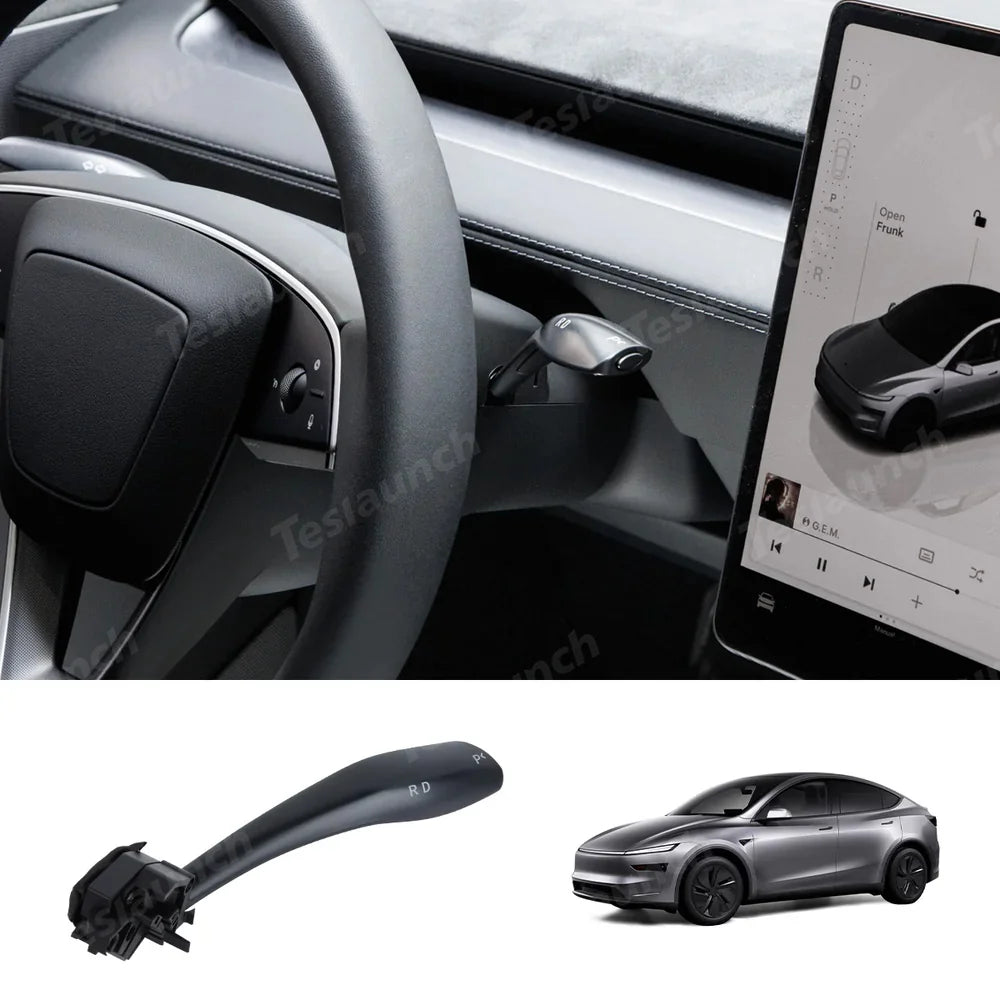
Tesla Juniper:The Autonomy Shift
Introduction
Remember when smartphones were just… phones? Now they’re our cameras, maps, banks, and personal assistants all rolled into one sleek package. That kind of seismic shift is precisely what Tesla is aiming for with its upcoming “Juniper” project, heavily rumored to be a revamped Model 3. But this isn’t just about a fresh coat of paint and a bigger screen. “Juniper” is about autonomy, and it has the potential to redefine not just what a Tesla is, but what a car *is* altogether.
So, what makes this “Juniper” so intriguing and what impact could it have on our world? Let’s buckle up and dive in.
The Here and Now:Why “Juniper” Matters Immediately
In the short term, “Juniper” aims to address a few key pain points for Tesla owners and potential buyers alike. Think of it as Tesla’s chance to fine-tune its flagship model, incorporating lessons learned and technologies advanced over the past few years.
- Production Efficiency:Reports suggest “Juniper” will incorporate significant manufacturing advancements, making production faster and more cost-effective. For consumers, this translates to potentially lower prices and shorter wait times – two factors that can significantly impact the decision to buy.
- Enhanced Tech Integration:While details are scarce, expect a major upgrade to the infotainment system, potentially with a faster processor and a more intuitive interface. This includes the navigation, entertainment, and vehicle control systems.
- Updated Design Language:A refreshed exterior and interior will keep the Model 3 competitive and align it with Tesla’s evolving design aesthetic. We’re talking sleek lines, improved aerodynamics, and a more premium feel inside the cabin.
- Full Self-Driving (FSD) Refinement:“Juniper” provides an opportunity to integrate the latest FSD hardware and software. Improvements in sensor technology, processing power, and algorithms can lead to increased safety and more reliable autonomous driving features.
The immediate impact will be on sales. A more attractive, technologically advanced, and potentially more affordable Model 3 is likely to attract a new wave of buyers, further cementing Tesla’s dominance in the EV market.
The Long Game:Autonomy’s Transformative Potential
But “Juniper’s” most significant impact lies in its long-term implications for autonomous driving. This isn’t just about hands-free driving on the highway; it’s about a fundamental shift in how we think about transportation.
- The Rise of Robotaxis:Imagine a future where you can summon a driverless Tesla to your doorstep at any time, for any distance, at a fraction of the cost of owning a car. This is the promise of robotaxis, and “Juniper” could be a crucial step toward realizing that vision.
- Redefining Commuting:With true autonomous driving, commuting transforms from a stressful chore into productive or relaxing downtime. Imagine catching up on work, reading a book, or even taking a nap while your car safely navigates traffic.
- Accessibility for All:Autonomous vehicles have the potential to provide transportation to individuals who are unable to drive themselves, such as the elderly or people with disabilities. This would significantly improve their independence and quality of life.
- Rethinking Urban Planning:If most people no longer need to own cars, cities could repurpose parking lots and garages into parks, green spaces, and affordable housing. Autonomous vehicles could also optimize traffic flow, reducing congestion and pollution.
However, the path to full autonomy isn’t without its challenges. Regulatory hurdles, ethical dilemmas, and public acceptance all need to be addressed before we can fully embrace this future.
Navigating the Autonomous Landscape:Solutions and Approaches
So, how can we, as individuals and as a society, prepare for the autonomy shift that “Juniper” and similar technologies are ushering in? Here are a few practical solutions and approaches:
- Stay Informed and Engaged:Don’t rely solely on headlines and hype. Actively seek out information from reputable sources, engage in thoughtful discussions, and understand the complexities of autonomous driving technology.
- Example:Follow industry experts and researchers on social media, attend webinars and conferences, and read reports from organizations like the National Highway Traffic Safety Administration (NHTSA).
- Advocate for Responsible Regulation:Support policies that promote safety, transparency, and ethical considerations in the development and deployment of autonomous vehicles.
- Example:Contact your elected officials to express your views on autonomous vehicle regulations, participate in public forums, and support organizations that advocate for responsible innovation.
- Embrace Continuous Learning:As the technology evolves, be open to learning new skills and adapting to changing transportation patterns.
- Example:Consider taking online courses on autonomous driving technology, attending workshops on future transportation trends, and experimenting with carpooling or ride-sharing services.
- Consider Infrastructure Improvements:Advocate for improved infrastructure to support autonomous vehicles, such as better road markings, improved communication networks, and dedicated lanes.
- Example:Support initiatives for smart city projects, promote the adoption of connected vehicle technologies, and advocate for investments in transportation infrastructure upgrades.
- Support Ethical Frameworks:Encourage the development of ethical frameworks for autonomous vehicles, addressing issues such as accident liability, data privacy, and algorithmic bias.
- Example:Participate in discussions about ethical guidelines for autonomous vehicles, support research on ethical decision-making in AI, and advocate for transparency in algorithmic design.
Alternative Approaches
- Cautious Optimism:Rather than being overly enthusiastic or skeptical, adopt a balanced approach. Recognize the potential benefits of autonomous vehicles while acknowledging the challenges and risks involved.
- Community Involvement:Engage with your local community to discuss the potential impacts of autonomous vehicles on your neighborhood, addressing concerns about safety, traffic, and job displacement.
- Collaborative Initiatives:Support collaborations between automakers, technology companies, government agencies, and academic institutions to promote responsible innovation and address societal challenges.
From Skepticism to Excitement:A Future We Can Shape
The transition to autonomous driving will undoubtedly be a complex and multifaceted process. There will be bumps in the road, unforeseen challenges, and perhaps even moments of doubt. But ultimately, the potential benefits of this technology are too significant to ignore.
“Juniper” isn’t just about a new Tesla; it’s about a new era of transportation. It’s about safer roads, more efficient cities, and a future where transportation is accessible to everyone. It is our opportunity to shape this future, ensuring that the autonomy shift benefits all of humanity. By staying informed, advocating for responsible regulation, and embracing continuous learning, we can navigate this transformation with confidence and create a better world for ourselves and generations to come.
So, let’s buckle up, stay engaged, and actively participate in shaping the future of transportation. The road ahead may be long, but the destination is worth the journey.