
Tesla Juniper: Redwood Killer?
Introduction
Okay, maybe “Redwood Killer” is a little dramatic. But let’s be honest, the whispers surrounding Tesla’s upcoming “Juniper” refresh of the Model Y are more than just idle chatter. They represent a potential shift, a ripple effect that could impact not just the electric vehicle (EV) market, but the entire automotive landscape. And yes, even established giants like BMW and Mercedes, who, dare we say, might be feeling a *slight* chill wind blowing their way.
So, what’s all the fuss about? Why should you, whether you’re an EV enthusiast, a casual car buyer, or even someone just mildly interested in the future of transportation, care about “Juniper”?
The Hype is Real (and Probably Justified)
Tesla’s been tight-lipped about the specifics, of course. But industry insiders and leaked reports paint a picture of a substantial redesign, not just a cosmetic refresh. We’re talking potentially:
- Significant Cost Reduction: Think streamlined manufacturing, simplified components, and a more efficient battery pack. This translates to a more affordable Model Y, potentially opening up the EV market to a wider audience.
- Performance Boost: Rumors suggest improvements in range, charging speed, and even handling. Tesla is already a performance leader; Juniper might just redefine the benchmark.
- Cutting-Edge Technology: Expect the latest and greatest in autonomous driving features, enhanced infotainment systems, and maybe even some surprises we haven’t even heard about yet.
In essence, Juniper isn’t just about a new look; it’s about taking the already popular Model Y and making it *significantly* better, more accessible, and more technologically advanced. That’s a potent combination.
The Short-Term Rumble:
The immediate impact is pretty clear. When Juniper hits the market (likely sometime in late 2024 or early 2025), expect to see:
- Increased Pressure on Competitors: Other automakers will be forced to react. To maintain market share, they’ll need to accelerate their own EV development, potentially leading to price wars and a faster transition to electric vehicles.
- Used Tesla Price Fluctuations: Owners of current Model Ys might be a little nervous. A substantially improved and more affordable Juniper could impact the resale value of their vehicles. This could lead to a temporary dip in used Tesla prices, creating an opportunity for bargain hunters.
- Delayed Purchases: Some potential EV buyers might postpone their purchase, waiting to see what Juniper offers. This could create a temporary lull in EV sales for other brands.
The Long-Term Earthquake:
But the real story lies in the long-term implications. Juniper represents a strategic move by Tesla to solidify its dominance in the EV market and potentially disrupt the entire automotive industry:
- Accelerated EV Adoption: A more affordable, high-performance EV will entice more consumers to make the switch. This will contribute to reducing carbon emissions, improving air quality, and decreasing reliance on fossil fuels.
- Industry Restructuring: Traditional automakers will need to fundamentally rethink their business models. They’ll need to invest heavily in EV technology, streamline their manufacturing processes, and adapt to a software-driven automotive future. Some will thrive; others might struggle.
- Shift in Consumer Expectations: Juniper will raise the bar for what consumers expect from a car. Features like advanced driver-assistance systems (ADAS), over-the-air software updates, and seamless integration with mobile devices will become increasingly important.
- The Rise of the Subscription Model: With its focus on software and connectivity, Juniper could accelerate the adoption of subscription-based services in the automotive industry. Think features like enhanced navigation, premium connectivity, and even advanced driver-assistance features offered as monthly subscriptions.
So, How Do We Navigate This “Redwood Killer” Scenario?
Whether you’re an automaker, a supplier, a potential EV buyer, or simply an interested observer, here are some practical steps to navigate the Juniper-induced disruption:
For Automakers:
- Embrace Software: Cars are becoming rolling computers. Invest heavily in software development and build a robust platform for over-the-air updates and subscription services.
- Streamline Manufacturing: Tesla’s success is partly due to its efficient manufacturing processes. Identify areas where you can reduce costs and improve efficiency.
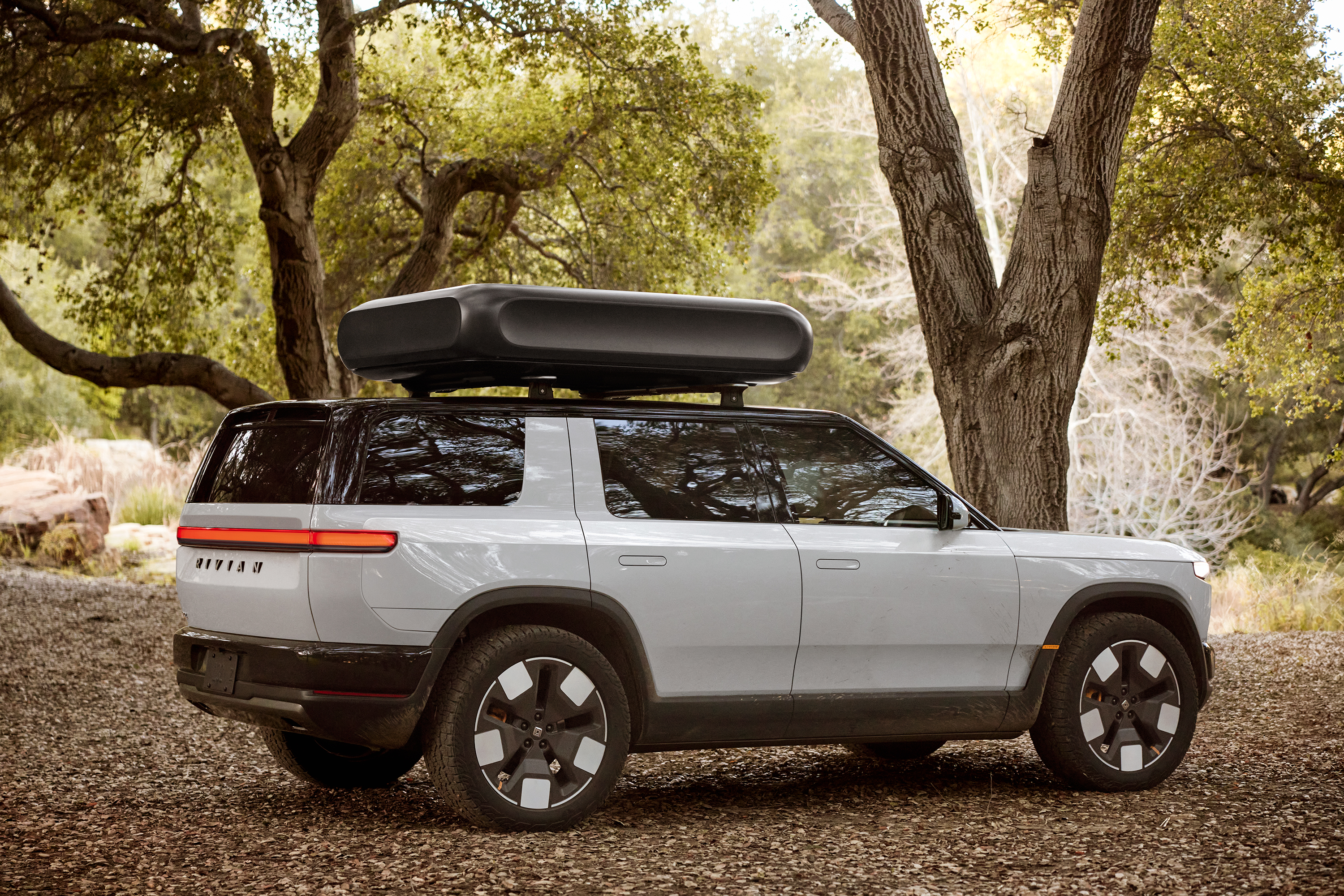
- Focus on Value: Don’t just try to beat Tesla on price; offer unique features and experiences that appeal to specific customer segments. Look at what Rivian is doing with its adventure-focused EVs, or Porsche with its performance-oriented Taycan.
For Suppliers:
- Diversify Your Portfolio: Don’t rely solely on traditional automakers. Explore partnerships with EV startups and other companies in the mobility ecosystem.
- Invest in Innovation: Focus on developing cutting-edge technologies that address the specific needs of EVs, such as advanced battery components, lightweight materials, and efficient electric motors.
- Become More Agile: The EV market is evolving rapidly. Be prepared to adapt quickly to changing customer demands and technological advancements.
For Potential EV Buyers:
- Do Your Research: Don’t just focus on Tesla. Explore the offerings from other automakers and consider your specific needs and priorities.
- Consider Total Cost of Ownership: Look beyond the sticker price and factor in things like fuel costs, maintenance costs, and potential tax incentives.
- Be Patient: The EV market is still relatively young. New models and technologies are constantly being introduced. Don’t rush into a purchase; wait for the right vehicle to come along.
Alternative Approaches and Solutions:
While Tesla is a dominant force, it doesn’t have a monopoly on innovation. Here are some alternative approaches and solutions that could challenge Tesla’s dominance:
- Open-Source EV Platforms: Imagine a standardized platform for EV development, allowing automakers to focus on differentiating features and reducing costs. This could level the playing field and foster innovation.
- Battery Swapping Technology: Companies like Nio are pioneering battery swapping technology, which could address range anxiety and charging time concerns.
- Focus on Niche Markets: Rather than trying to compete directly with Tesla in the mass market, some automakers are focusing on specific niche markets, such as commercial vehicles or luxury EVs.
Conclusion: A Future Driven by Innovation
The arrival of Tesla’s Juniper is undoubtedly a catalyst for change. It’s a call to action for automakers, suppliers, and consumers alike. While it might be tempting to see Juniper as a “Redwood Killer,” a more accurate analogy might be a controlled burn, clearing away the deadwood and paving the way for new growth.
The future of the automotive industry is electric, connected, and increasingly software-driven. By embracing innovation, adapting to change, and focusing on customer needs, we can navigate this disruption and create a more sustainable and exciting future for transportation.
Don’t be intimidated by Juniper. Be inspired by it. Let it be the spark that ignites your own creativity and drives you to build something even better. The road ahead may be challenging, but the destination is well worth the journey. Now, go out there and electrify the world!